
CES 2026: Separating AI Substance from Spectacle
Las Vegas delivered another week of ambitious announcements and flashy demos. This analysis cuts through the noise to identify which AI developments at CES 2026 actually matter — and which were theater designed to generate headlines rather than value.
CES 2026: Separating AI Substance from Spectacle
Las Vegas delivered another week of ambitious announcements and flashy demos
The Consumer Electronics Show has always been part technology showcase, part marketing exercise. CES 2026 was no different — except that this year, nearly everything claimed to be "AI-powered."
The Las Vegas Convention Center hosted over 4,500 exhibitors across 2.5 million square feet. AI appeared in product names, booth signage, and keynote presentations at a frequency that approached saturation. But frequency does not equal substance.
After a week of demonstrations, announcements, and carefully choreographed reveals, the question that matters is simple: What actually advances the state of consumer technology, and what was performance designed to capture attention rather than deliver value?
The Robotics Reality Check
Humanoid robots dominated headlines. Companies including Figure, Agility Robotics, 1X Technologies, and several Chinese manufacturers displayed bipedal machines that walked, waved, and in some cases held brief conversations with attendees.
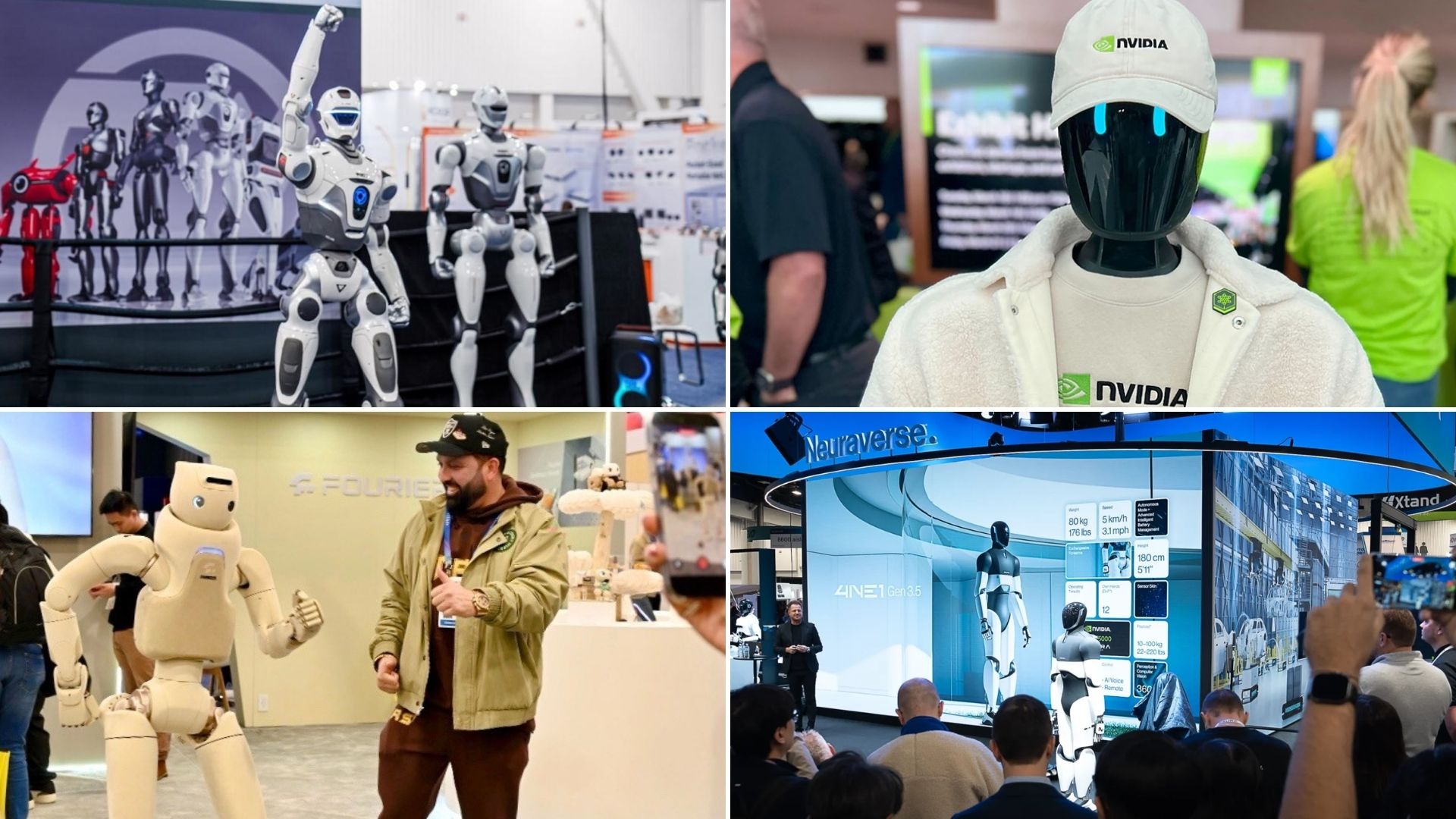
The visual impact was undeniable. Robots that look human trigger something primal — a sense that science fiction has finally arrived. Booth traffic around humanoid displays far exceeded other categories.
But the gap between demonstration and deployment remains vast — a pattern familiar from the AI scaling crisis across enterprise technology. Most humanoid robots shown at CES 2026 operated in highly controlled environments with human handlers nearby. Battery life ranged from 2 to 4 hours. Unscripted interactions quickly exposed limitations in language understanding and response generation.
The substantive development was not the humanoid form factor but incremental improvements in manipulation and mobility. Robotic hands that can handle irregular objects, locomotion systems that recover from unexpected obstacles, and coordination algorithms that enable safer human proximity — these advances matter regardless of whether the robot resembles a person.
Companies targeting industrial applications — warehouse logistics, manufacturing assistance, inspection tasks — showed more practical progress than those chasing humanoid headlines. The unglamorous work of making robots useful continues apart from the spectacle of making them human-shaped.
Wearables: Incremental Over Revolutionary
Smart glasses dominated the wearables conversation. Multiple vendors showed devices that overlay information on physical environments, respond to voice commands, and in some cases generate real-time translations.
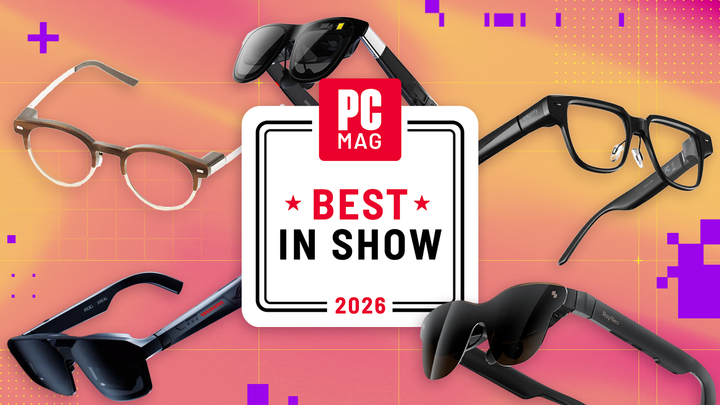
The category has advanced meaningfully since earlier generations. Weight has decreased. Display quality has improved. Battery life has extended from hours to a full day in some configurations. Voice interfaces have become responsive enough for actual use rather than demonstration-only scenarios.
Yet the fundamental challenge remains unsolved: what are smart glasses actually for? Demonstrations showed compelling use cases — real-time navigation overlays, language translation during conversations, hands-free access to information while working. Whether consumers will adopt devices that change how they appear and interact with others is a social question that technology alone cannot answer.
The more substantive wearable developments appeared in less visible categories. Health monitoring devices showed genuinely new capabilities — continuous glucose monitoring without needles, stress detection through skin conductance, sleep analysis that correlates with next-day cognitive performance. These advances address real problems with measurable outcomes.
AI-powered hearing aids and earbuds demonstrated sophisticated audio processing — isolating voices in crowded environments, adjusting to individual hearing profiles, providing real-time transcription for those with hearing impairments. This category showed AI applied to genuine accessibility challenges rather than novelty.
Automotive: The Long Road to Autonomy
Every major automotive manufacturer and dozens of startups displayed AI-related capabilities. The messaging emphasized autonomy, but the substance centered on assistance.
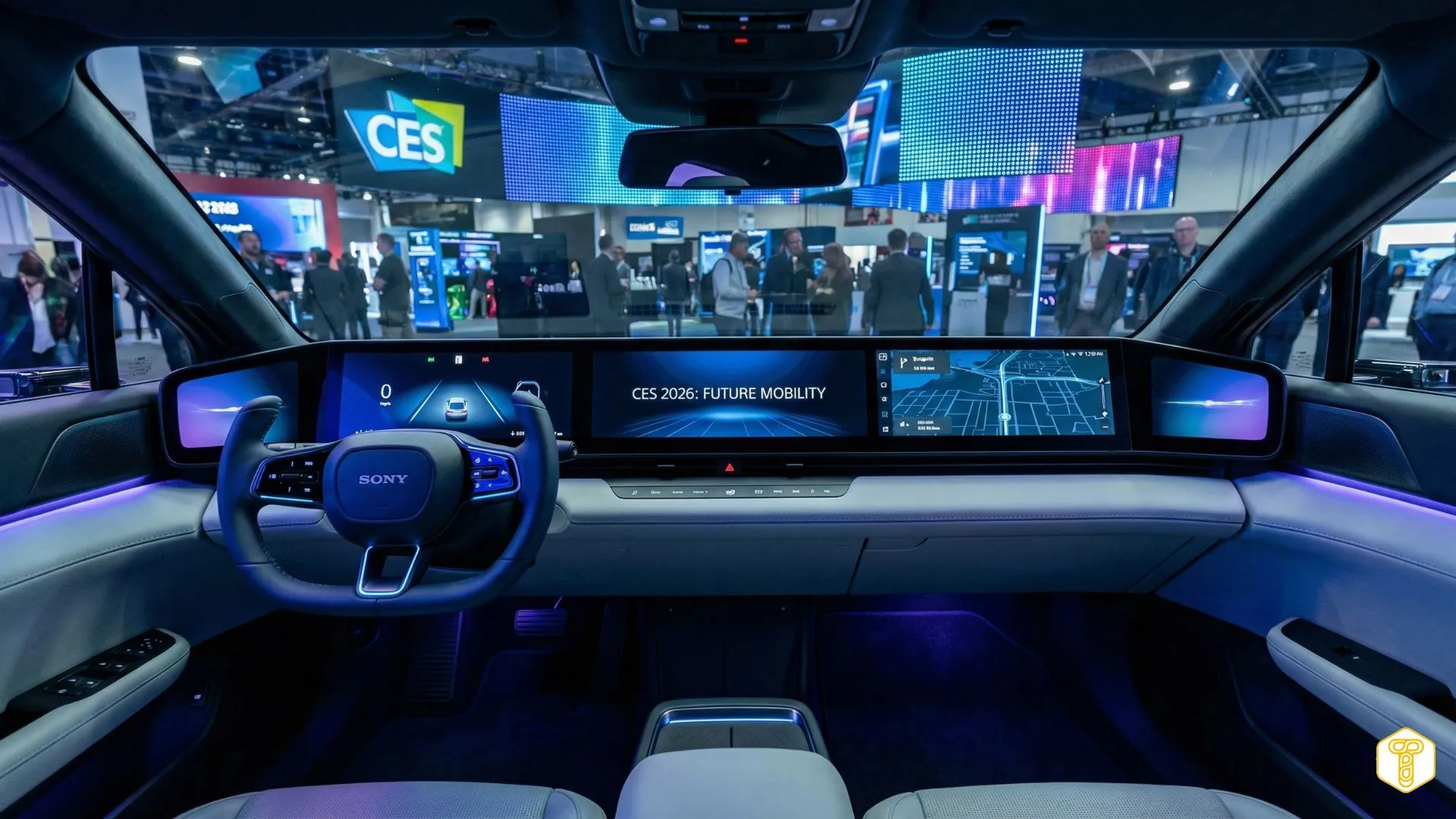
Level 4 autonomy — vehicles that can operate without human intervention in defined conditions — remained aspirational for consumer vehicles. Regulatory frameworks, liability questions, and edge case handling continue to constrain deployment regardless of technical capability.
The practical advances appeared in driver assistance. Lane keeping, adaptive cruise control, automated parking, and collision avoidance have become standard in premium vehicles and are filtering into mainstream models. These systems reduce cognitive load and prevent accidents without requiring the leap to full autonomy.
In-cabin AI showed meaningful improvement. Voice assistants that understand context, anticipate needs based on patterns, and integrate with vehicle systems now approach the responsiveness that smartphone assistants achieved years ago. The automotive environment — predictable context, consistent user, limited interaction patterns — suits current AI capabilities well.
The gap between automotive AI demonstrations and automotive AI deployment has narrowed. But the timeline to autonomous vehicles replacing human-driven transportation continues to extend. CES 2026 suggested evolution, not revolution.
Smart Home: Integration Over Innovation
The smart home category at CES 2026 revealed a maturing market more focused on making existing devices work together than introducing fundamentally new capabilities.
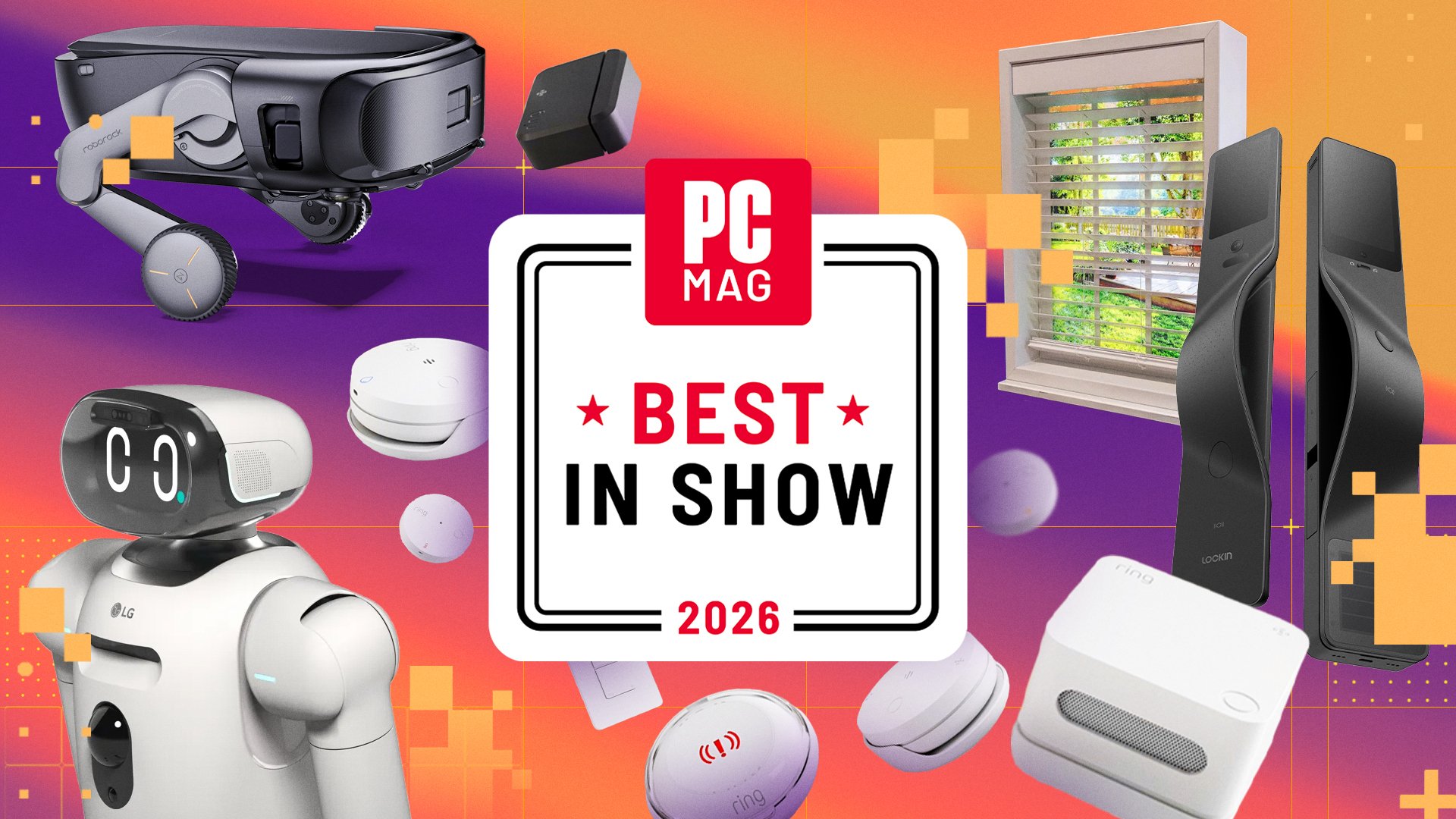
Matter — the connectivity standard that enables devices from different manufacturers to communicate — appeared throughout the show floor. The fragmented ecosystem that frustrated early smart home adopters is gradually consolidating. Devices that previously required separate apps and incompatible hubs now increasingly operate within unified systems.
AI's role in smart homes has shifted from novelty to necessity. Natural language understanding that enables conversational control, pattern recognition that automates routines without explicit programming, and anomaly detection that identifies potential problems — these capabilities have become baseline expectations rather than differentiators.
Energy management emerged as a substantive theme. AI systems that optimize heating, cooling, and appliance usage based on utility pricing, weather forecasts, and occupancy patterns demonstrated genuine value. With energy costs rising in many markets, optimization that reduces bills while maintaining comfort addresses a real consumer need.
Security systems showed improved capabilities in distinguishing between genuine threats and false alarms — the difference between a family member arriving home and an unknown person approaching the door. Reducing alert fatigue while maintaining protection represents practical AI application.
What CES 2026 Revealed About AI's Consumer Trajectory
The show floor patterns suggested several broader conclusions about where consumer AI is heading.
Integration beats isolation. Standalone AI devices struggled to articulate value propositions. AI capabilities embedded within existing product categories — appliances, vehicles, wearables, home systems — demonstrated clearer utility. Consumers do not want AI; they want products that work better.
Practical beats impressive. The demonstrations that generated the most booth traffic were not necessarily those with the strongest commercial prospects. Humanoid robots drew crowds; robotic vacuum improvements drive sales. The gap between what impresses at a trade show and what succeeds in markets remains substantial — a reminder that understanding AI's practical limits matters more than chasing theoretical capability.
Privacy concerns are reshaping design. Multiple vendors emphasized on-device processing that keeps data local rather than sending it to cloud servers. Whether driven by regulation, competitive differentiation, or genuine consumer demand, the trend toward privacy-conscious AI design appeared throughout the show.
Enterprise and consumer are converging. Technologies developed for business applications — advanced voice recognition, computer vision, predictive analytics — are filtering into consumer products at accelerating rates. The distinction between professional and personal AI capabilities is blurring.
The Hype Cycle Continues
CES has always been a venue where optimism exceeds reality. Announcements describe what companies hope to achieve; demonstrations show carefully controlled scenarios; timelines assume obstacles will be overcome.
AI amplifies this dynamic. The technology's genuine capabilities make ambitious claims more plausible. But as AI reaches technology maturity, the gap between laboratory demonstration and reliable consumer product remains substantial for many applications shown in Las Vegas.
The companies that will succeed are those that understand this gap and plan accordingly. Building products that work reliably in uncontrolled environments, at price points consumers will accept, with support infrastructure that handles inevitable problems — this work is less exciting than CES demonstrations but more determinative of success.
What Actually Matters
Separating substance from spectacle requires asking what problems are being solved and for whom.
AI that reduces energy consumption addresses a universal concern. AI that helps people with disabilities participate more fully in daily life creates genuine value. AI that makes vehicles safer, homes more secure, and information more accessible delivers measurable benefits.
AI that impresses trade show attendees without clear paths to products that consumers will purchase and continue using belongs in a different category — marketing rather than technology development.
CES 2026 contained both. The challenge for observers is recognizing which is which, and for companies, ensuring they are building the former rather than merely demonstrating the latter.
Sources & References
- CES Official (2026). "CES 2026 By The Numbers." View Article
- The Verge (2026). "CES 2026: The Biggest AI Announcements." View Article
- Wired (2026). "What CES 2026 Tells Us About AI's Consumer Future." View Article
- TechCrunch (2026). "CES 2026 Robotics Roundup: Hype vs Reality." View Article
Published by Vintage Voice News
Sources & References
Disclaimer: This analysis is for informational purposes only and does not constitute investment advice. Markets and competitive dynamics can change rapidly in the technology sector. Taggart is not a licensed financial advisor and does not claim to provide professional financial guidance. Readers should conduct their own research and consult with qualified financial professionals before making investment decisions.

Taggart Buie
Writer, Analyst, and Researcher